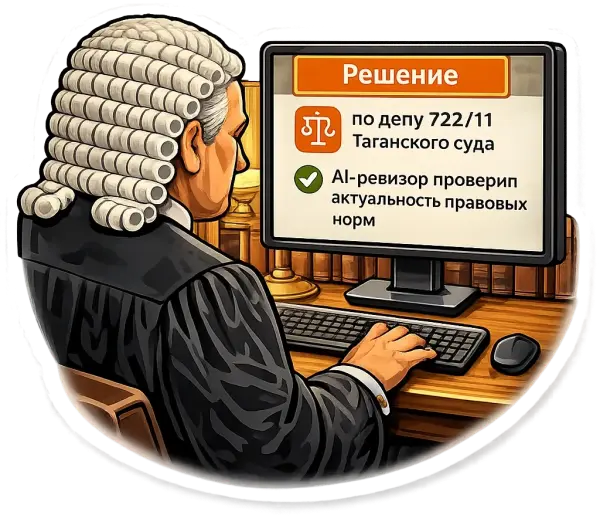
Four layers of judicial AI
| Layer | Examples | Primary risk |
|---|---|---|
| Court operations | Scheduling, routing, workload forecasts | Opaque allocation or biased priorities |
| Record processing | OCR, transcription, classification | Missing or misread material |
| Professional assistance | Research, summaries, draft structure | Unsupported facts or authorities |
| Decision support | Risk scores or outcome recommendations | Automation bias and due process |
Calling all four layers simply "AI in courts" hides the most important design question: what decision is the system influencing, and can a human inspect the basis?
Principles already exist
CEPEJ identifies fundamental rights, non-discrimination, quality and security, transparency and user control as core principles for AI in judicial systems. NIST groups AI risk work into govern, map, measure and manage. The EU AI Act applies a risk-based framework and treats certain justice-related uses as high risk. These sources are not interchangeable legal rules, but together they provide a useful governance vocabulary.
Evidence before enthusiasm
A court pilot should establish a baseline and test a bounded task. For document extraction, sample pages with tables, stamps, handwriting and poor photographs. For summaries, measure omission and contradiction against a human reference. For drafting, count unsupported factual statements and invalid authorities. User satisfaction alone cannot reveal a plausible but wrong answer.
Where this product fits
Judicial AI Assistant sits in record processing and professional assistance. It does not score litigants or recommend a sentence. The user chooses the jurisdiction, supplies the record, reviews recognition and controls the final text. See Court AI for institutional use cases and our methodology for the release standard.